
Home › Learn › 503A Pharmacies
Behind the PrescriptionWhat is a 503A compounding pharmacy?
If you've been told a medication is "compounded," you may have wondered what that actually means and who makes it. "503A" refers to a section of federal law that covers traditional pharmacy compounding. Here's a plain-English guide to what a 503A pharmacy does, how it's regulated, and — just as important — what compounding does not mean.
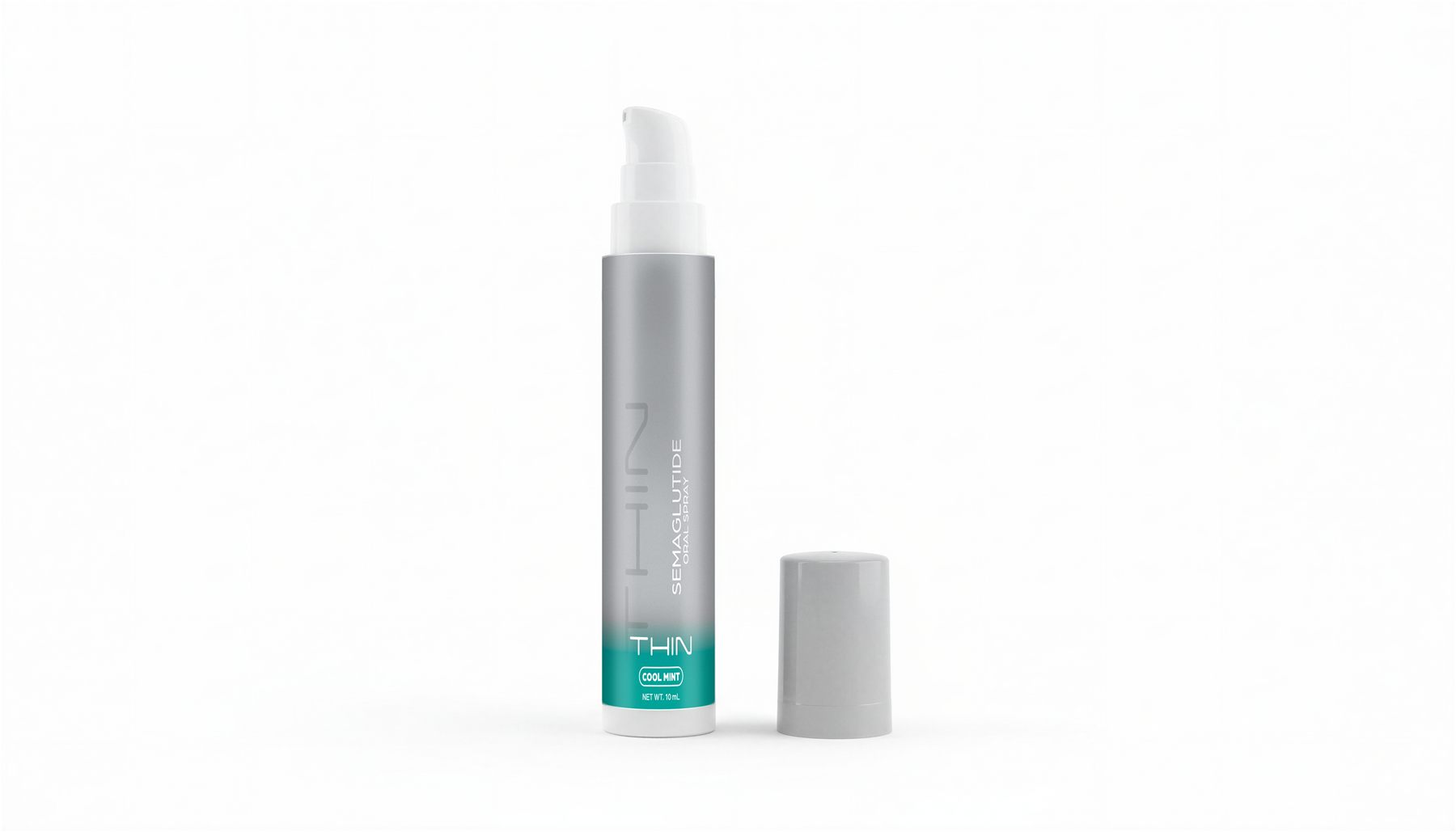
THIN™ packaging shown is a licensed, USP-compliant component. The medication is a compounded drug — not FDA-approved — prepared for each patient by an independent licensed 503A pharmacy pursuant to a prescription.
Compounding, in plain terms
Compounding is the practice of a licensed pharmacist preparing a medication tailored to an individual patient — for example, combining or adjusting ingredients to meet a need that a mass-produced product doesn't. It's a long-standing part of pharmacy. The name "503A" comes from Section 503A of the federal Food, Drug, and Cosmetic Act, which sets the conditions under which this kind of patient-specific compounding operates.
The defining feature: a patient-specific prescription
The hallmark of 503A compounding is that it's done pursuant to a valid prescription for a specific, identified patient. In other words, the medication is prepared because a licensed provider wrote an order for a particular person — not manufactured in bulk in advance for unknown future buyers. This patient-by-patient basis is what distinguishes traditional compounding from large-scale drug production.
Who regulates 503A pharmacies
503A compounding pharmacies are licensed and primarily overseen by their state boards of pharmacy, which set standards for licensure, practice, and inspection. Federal law and standard-setting bodies also shape how compounding is done. This is a real regulatory framework — but it is a different framework from the one that governs FDA-approved manufactured drugs.
How 503A differs from 503B and from FDA-approved manufacturing
It helps to see three distinct categories:
- FDA-approved manufacturers produce standardized drugs that have gone through the FDA's approval process for safety, effectiveness, and manufacturing quality, and are made in large batches to a fixed formula.
- 503B outsourcing facilities are a separate category created by law to compound in larger volumes; they register with the FDA and follow certain federal manufacturing-quality standards, and may prepare batches not tied to a single patient.
- 503A pharmacies compound for individual patients pursuant to prescriptions and are overseen mainly at the state level.
These categories serve different purposes and operate under different rules.
What compounding does NOT mean
This is the part worth being honest about. A compounded medication being prepared by a licensed 503A pharmacy does not mean it is FDA-approved. Compounded drugs are not reviewed by the FDA for safety, effectiveness, or manufacturing quality before they reach patients. "Compounded" also does not mean "generic version of an approved drug," nor does it imply any efficacy or superiority. It simply describes how and for whom the medication is prepared. That's why compounded products are dispensed only when a licensed provider determines they are medically appropriate for you, and why understanding the label matters.
Want the practical version? See our overview of how the program works, from provider review to the pharmacy.
Important safety information
- • This article is educational only and is not medical advice. Always consult a licensed healthcare provider about starting, stopping, or changing any medication.
- • THIN™, THIN-R™, and THIN-ST™ are prescription-only compounded medications, prepared by licensed 503A pharmacies. They are not FDA-approved, and are dispensed only if a licensed provider determines they are medically appropriate.
- • Payment does not guarantee a prescription. Individual results vary.