
Home › Learn › Prescription-Only
Patient SafeguardsWhy "prescription-only" matters for compounded medications
If a website will ship you semaglutide or tirzepatide with no questions asked, that's not a convenience — it's a warning. The prescription requirement isn't red tape. It's the safeguard that connects a real clinician's judgment to your specific health situation before a medication ever reaches your door. Here's what that safeguard actually does, and why sellers who skip it should be avoided.
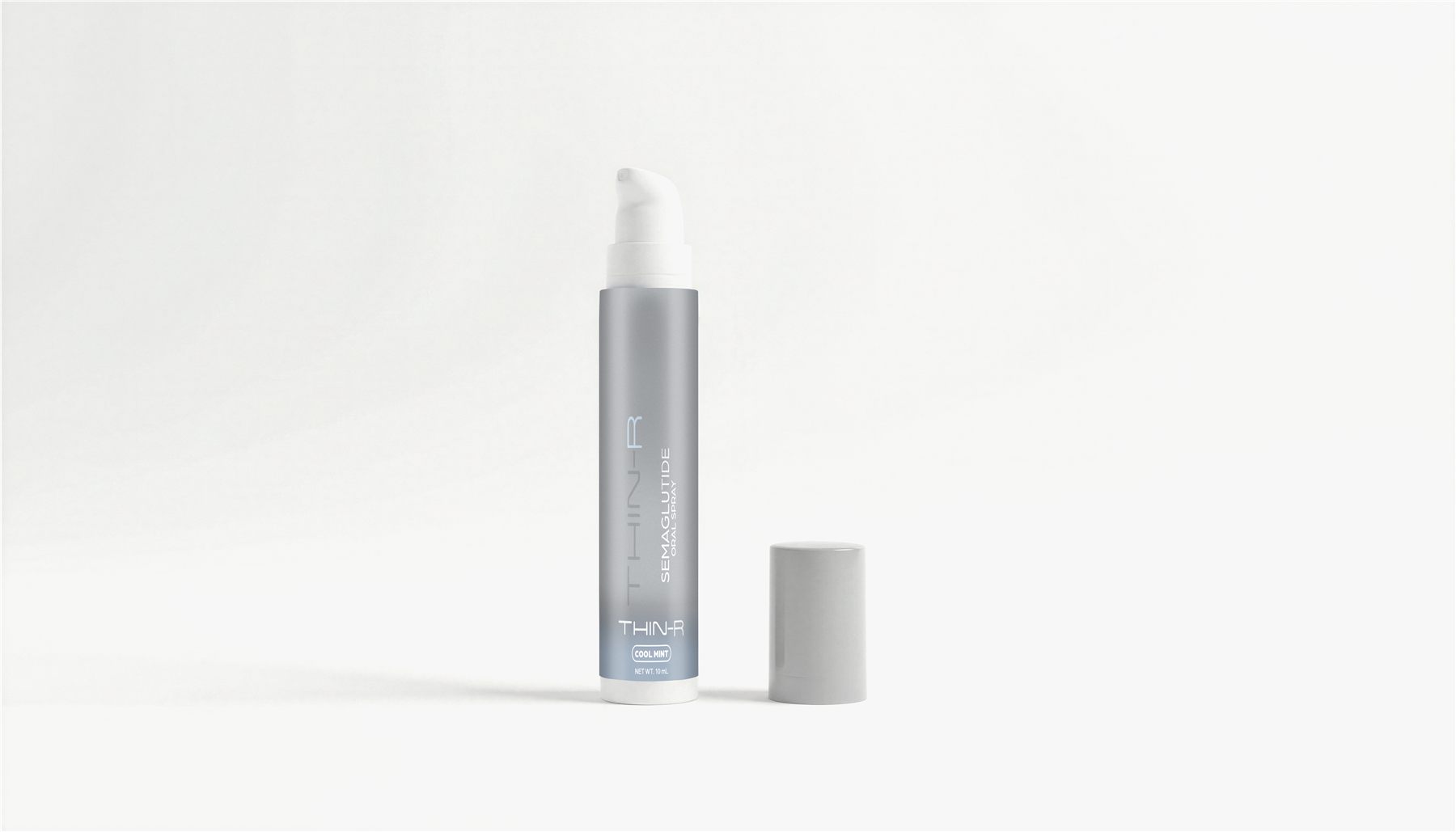
THIN™ packaging shown is a licensed, USP-compliant component. The medication is a compounded drug — not FDA-approved — prepared for each patient by an independent licensed 503A pharmacy pursuant to a prescription.
What a prescription actually represents
A valid prescription is more than a permission slip. It documents that a licensed provider — someone accountable to a state medical board — reviewed your health history and concluded that a specific medication, at a specific strength, is appropriate for you specifically. For compounded medications, this matters even more than usual: a compounded preparation is, by definition, made for an individual patient. Without a patient-specific prescription, there is no legitimate compounding — just unregulated product.
What provider review screens for
GLP-1 and dual GIP/GLP-1 medications are not appropriate for everyone. A licensed provider reviewing your intake looks at things you might not think to flag yourself, including:
- Contraindications. Certain conditions — such as a personal or family history of medullary thyroid carcinoma or MEN 2, or pregnancy — generally rule these medications out.
- Drug interactions. Medications you already take, including insulin and other diabetes drugs, can interact with incretin therapies.
- Relevant history. Kidney function, pancreatitis history, gallbladder disease, and gastrointestinal conditions all factor into whether therapy is appropriate.
- Dosing fit. Where you are in your journey — active weight loss versus maintenance — shapes what, if anything, a provider is willing to prescribe.
Just as important: a legitimate provider can say no. If review determines a medication isn't appropriate for you, nothing is dispensed. That outcome is the system working — which is why payment should never guarantee a prescription.
Patient-specific compounding, in plain terms
Licensed 503A compounding pharmacies prepare medications for named patients pursuant to valid prescriptions, under state board of pharmacy oversight. Your name is on the prescription, and the pharmacy prepares your medication for you. Compare that with gray-market sellers shipping bulk vials labeled "for research use only" to anyone with a credit card — no provider, no patient name, no accountability, and no reliable way to know what's actually in the vial. Analyses of seized and tested no-prescription products have repeatedly found wrong doses, wrong substances, and contamination.
Red flags, condensed
- "No prescription needed." For a prescription drug, this is the single clearest sign to walk away.
- No provider interaction at all. A checkbox that says "I confirm I'm healthy" is not a medical review.
- No named, licensed pharmacy. You should be able to identify who is preparing and dispensing your medication.
- "Research use only" disclaimers. That label means the product was never intended for human use.
What the legitimate path looks like
The compliant model is consistent everywhere it's done right: you complete a health intake, a licensed provider reviews it (and can ask follow-up questions), and only if the provider determines a medication is appropriate does a licensed pharmacy dispense it to you by name. That's exactly how prescription-only compounded products like THIN™ are handled — they are not FDA-approved, and they are dispensed only if a licensed provider determines they are appropriate. You can see the process step by step on our How It Works page, or start with the 60-second eligibility check.
"Prescription-only" is sometimes framed as friction. For compounded medications, it's the opposite: it's the entire basis of legitimacy.
Important safety information
- • This article is educational only and is not medical advice. Always consult a licensed healthcare provider about starting, stopping, or changing any medication.
- • THIN™, THIN-R™, and THIN-ST™ are prescription-only compounded medications, prepared by licensed 503A pharmacies. They are not FDA-approved, and are dispensed only if a licensed provider determines they are medically appropriate.
- • Payment does not guarantee a prescription. Individual results vary.