
Home › Learn › Maintenance Without Insurance
Access & AffordabilityGLP-1 maintenance without insurance: how access works
One of the most common questions about the maintenance phase is also one of the most practical: "Will my insurance cover this?" For compounded maintenance options, the answer is usually no — and understanding why, and how cash-pay access actually works, can save you a lot of confusion. This is an educational overview, not pricing or financial advice.
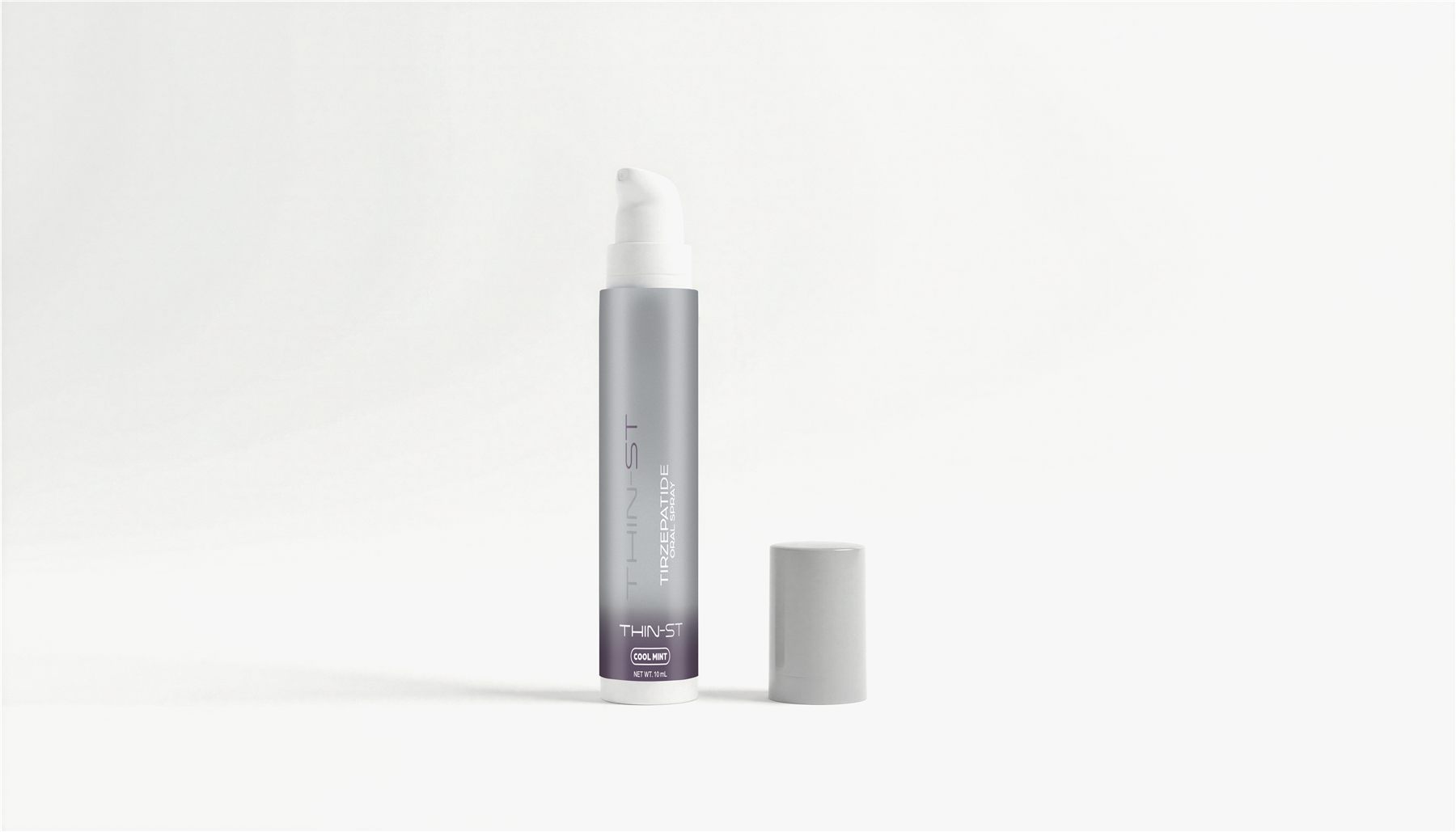
THIN™ packaging shown is a licensed, USP-compliant component. The medication is a compounded drug — not FDA-approved — prepared for each patient by an independent licensed 503A pharmacy pursuant to a prescription.
Why compounded options are typically cash-pay
Insurance formularies are built around FDA-approved products. Compounded medications — preparations made for an individual patient by a licensed compounding pharmacy pursuant to a prescription — are not FDA-approved, so they generally sit outside the insurance system entirely. There's no prior authorization to file, because there's usually nothing for the insurer to authorize. That's not a loophole or a workaround; it's simply how the regulatory categories are structured. The practical result is that most compounded GLP-1 maintenance options are offered on a cash-pay basis, with the patient paying the telehealth service or pharmacy directly.
What "no insurance" changes — and what it doesn't
Cash-pay changes the paperwork, not the clinical safeguards. A licensed provider still has to review your health history and determine that a medication is appropriate before anything is dispensed, and a licensed pharmacy still prepares and dispenses it under state regulation. What disappears is the insurance layer: no formulary restrictions, no prior-authorization cycles, no coverage denials to appeal. What also disappears is insurance's role in vetting cost — which puts more responsibility on you to understand exactly what you're paying for before you pay it.
What transparent flat pricing usually means
Reputable cash-pay telehealth programs increasingly use flat, all-inclusive pricing. When a program describes its price as transparent, it should generally cover three things with no surprise line items:
- The provider review. A licensed provider evaluates your intake and decides whether a prescription is appropriate. Payment for the review does not guarantee a prescription — and a trustworthy program says so plainly and explains what happens to the medication portion of your payment if you aren't approved.
- The medication, if appropriate. If the provider issues a prescription, the compounded medication itself is included, prepared for you by a licensed 503A pharmacy.
- Shipping. Delivery to your door is part of the flat price, not an add-on at checkout.
Flat pricing is about predictability: you know the full amount before you start, and it doesn't balloon with fees along the way. It is not a claim about how that amount compares to anything else — costs, coverage, and circumstances vary from person to person.
Questions to ask any cash-pay program
- What exactly is included in the price? Provider review, medication, shipping — and anything that isn't.
- What happens if the provider doesn't approve me? Ask how the medication portion is handled before you pay.
- Is there a subscription, and how do I cancel? Understand the renewal terms up front.
- Who is the pharmacy? Compounded medications should come from a state-licensed compounding pharmacy.
- Can I ask the provider questions? Access to a licensed provider shouldn't end at checkout.
If you're weighing whether a maintenance conversation makes sense for you, our free 60-second eligibility check is a no-pressure place to start, and how it works explains each step from intake to delivery.
Important safety information
- • This article is educational only and is not medical advice. Always consult a licensed healthcare provider about starting, stopping, or changing any medication.
- • THIN™, THIN-R™, and THIN-ST™ are prescription-only compounded medications, prepared by licensed 503A pharmacies. They are not FDA-approved, and are dispensed only if a licensed provider determines they are medically appropriate.
- • Payment does not guarantee a prescription. Individual results vary.