
Home › Learn › Cravings After Stopping
The Maintenance PhaseCravings after stopping GLP-1s: why sugar calls first
Many people who stop a GLP-1 notice cravings return before general hunger does — and sweets are often the first to call. It isn't a lack of discipline. It's a mix of physiology and psychology, and understanding both makes the pull easier to manage.
The physiology: reward signaling wakes back up
Beyond quieting hunger in the gut, GLP-1 medications appear to influence the brain's reward pathways — the circuitry that makes highly palatable foods feel especially appealing. While on treatment, many patients report that sweets and rich foods simply lose some of their draw. When the medication clears, that dampening effect fades, and the reward response to sugar and refined carbohydrates can return more sharply than the response to food in general. That's a common reason sugar seems to "call first."
The psychology: cues, habits, and stress
Cravings aren't only chemical. They're also learned. Environments, routines, emotions, and times of day become linked to specific foods over years, and those associations don't disappear during treatment — they're just easier to ignore while appetite is suppressed. Once the medication's help recedes, familiar cues (an afternoon slump, a stressful evening, a dessert menu) can trigger cravings that feel surprisingly strong. Stress and poor sleep tend to amplify them, which is why cravings often spike at the hardest moments.
Cravings are not the same as hunger
A craving is a specific desire for a particular food; hunger is a general need to eat. Telling them apart is genuinely useful, because they call for different responses. Hunger usually eases with a balanced meal. A craving is often better met by pausing, noticing the cue behind it, and deciding deliberately rather than automatically. Neither is a moral test — they're signals, and signals can be worked with.
Practical strategies that many find helpful
- Eat enough protein and fiber. Meals built around protein and fiber tend to steady appetite and blunt the sharpest craving spikes.
- Don't get too hungry. Long gaps between meals often set up the strongest evening sugar cravings; regular, adequate meals help.
- Name the cue. When a craving hits, pause and ask what triggered it — boredom, stress, habit, a smell. Naming it restores a moment of choice.
- Protect sleep and manage stress. Both have an outsized effect on how loud cravings feel.
- Keep tempting foods a little less convenient. Small friction between you and the pantry can be enough to shift an automatic reach into a considered one.
When to talk to a provider
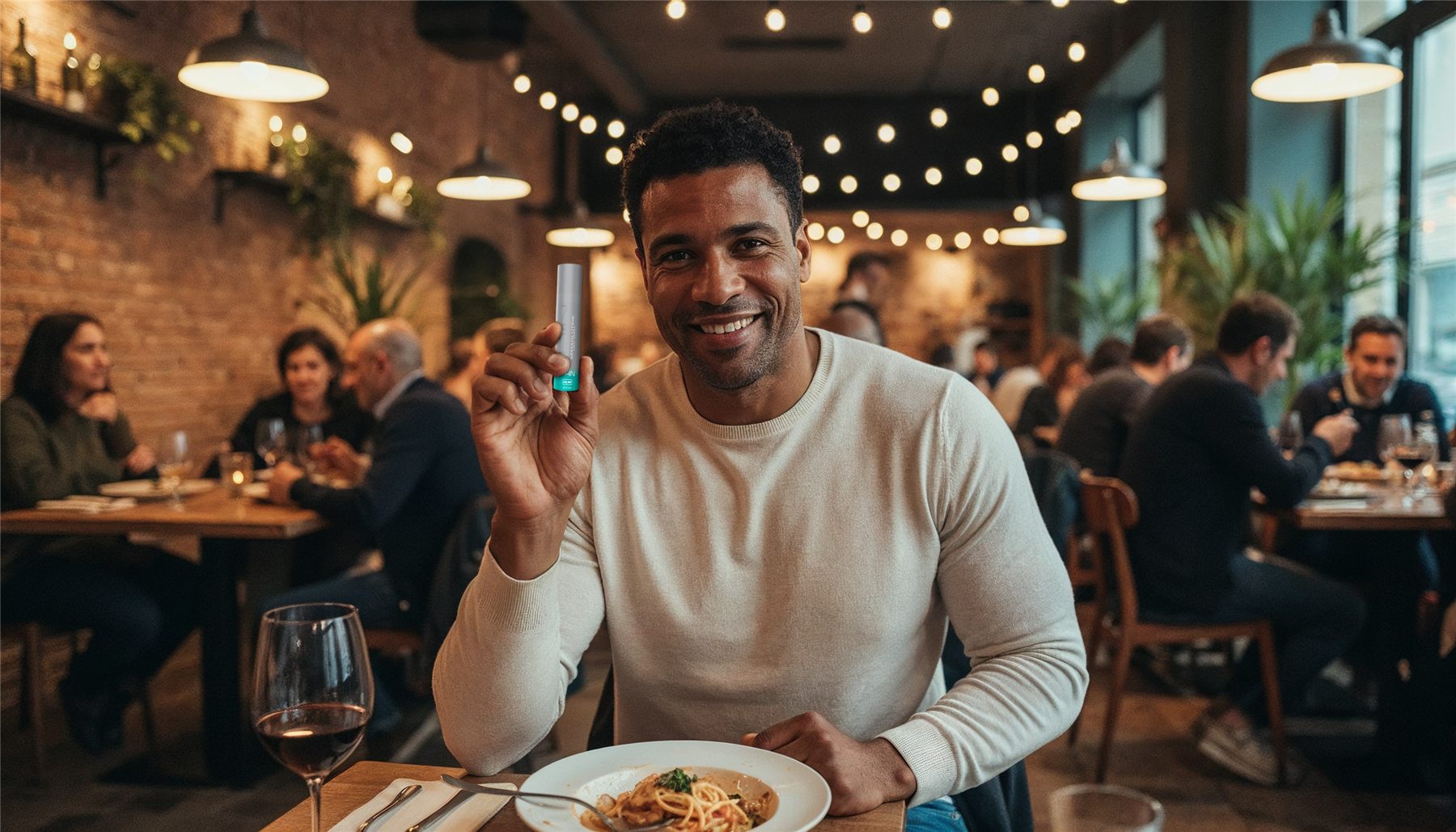
If cravings feel persistent, escalating, or hard to manage on your own — or if they're accompanied by steady weight regain — that's a good reason to talk with a licensed provider rather than white-knuckling it. A clinician can help you think through nutrition, behavior, and, for some eligible patients, continued medication support in a different form. Needle-free, prescription-only options such as THIN™, a compounded semaglutide sublingual spray, exist for the maintenance phase and are dispensed only if a licensed provider determines they are appropriate. THIN™ is not FDA-approved.
Not sure where to start? A short eligibility check is a free, no-pressure way to see whether a provider conversation makes sense for you.
Important safety information
- • This article is educational only and is not medical advice. Always consult a licensed healthcare provider about starting, stopping, or changing any medication.
- • THIN™, THIN-R™, and THIN-ST™ are prescription-only compounded medications, prepared by licensed 503A pharmacies. They are not FDA-approved, and are dispensed only if a licensed provider determines they are medically appropriate.
- • Payment does not guarantee a prescription. Individual results vary.