
Home › Learn › Why Weight Comes Back
The Biology of RegainWhy weight comes back after GLP-1 therapy
For many people, the hardest part of a GLP-1 journey isn't losing the weight — it's what happens after the medication stops. Weight regain is common, and it's rarely about effort. Understanding the biology helps explain why the phase after treatment deserves a real plan.
Satiety hormones do the heavy lifting
Injectable GLP-1 medications mimic a hormone your gut releases after eating. While you take them, they support satiety — the sense of fullness that tells your brain you've had enough — and slow how quickly the stomach empties. The result, for many patients, is less hunger and smaller portions without much conscious effort. But that effect depends on the medication being present. When it clears your system, the natural signaling returns to where your biology set it, and appetite commonly climbs back toward pre-treatment levels.
Metabolic adaptation works against you
Losing a meaningful amount of weight changes how the body manages energy. Research suggests that after weight loss, the body often burns fewer calories at rest than would be expected for its new size — a phenomenon sometimes called metabolic adaptation. At the same time, hunger-related hormones such as ghrelin tend to rise while fullness-related signals fall. In plain terms, the body behaves as though it is trying to return to its former weight, defending a "set point" that resists change. This response can persist long after the weight is gone, which is part of why maintenance is genuinely difficult.
Obesity as a chronic, relapsing condition
Clinicians increasingly describe obesity the way they describe other chronic conditions like high blood pressure: manageable with ongoing treatment, but prone to return when treatment stops. Under this framing, weight regain after discontinuing a GLP-1 isn't a failure of discipline — it's the expected course of an untreated chronic condition. Published research on GLP-1 discontinuation has commonly reported that many patients regain a substantial share of lost weight within a year of their last dose. Individual results vary widely, and no single number describes everyone.
Why "just keep it off" underestimates the problem
The popular idea that weight loss should "stick" if you simply maintain good habits doesn't match what the biology shows. Hormonal and metabolic signals that were quieted by medication were suppressed, not permanently reset. When those signals come roaring back, the same portion sizes that felt satisfying on medication can feel like too little. This is why many providers talk about a deliberate maintenance phase rather than an abrupt finish line.
What a maintenance plan can address
- Anticipate the biology, don't fight it blind. Knowing that hunger and cravings tend to return makes it easier to plan nutrition, activity, and support in advance.
- Keep a provider in the loop. Decisions about tapering or transitioning belong with a licensed clinician who knows your history.
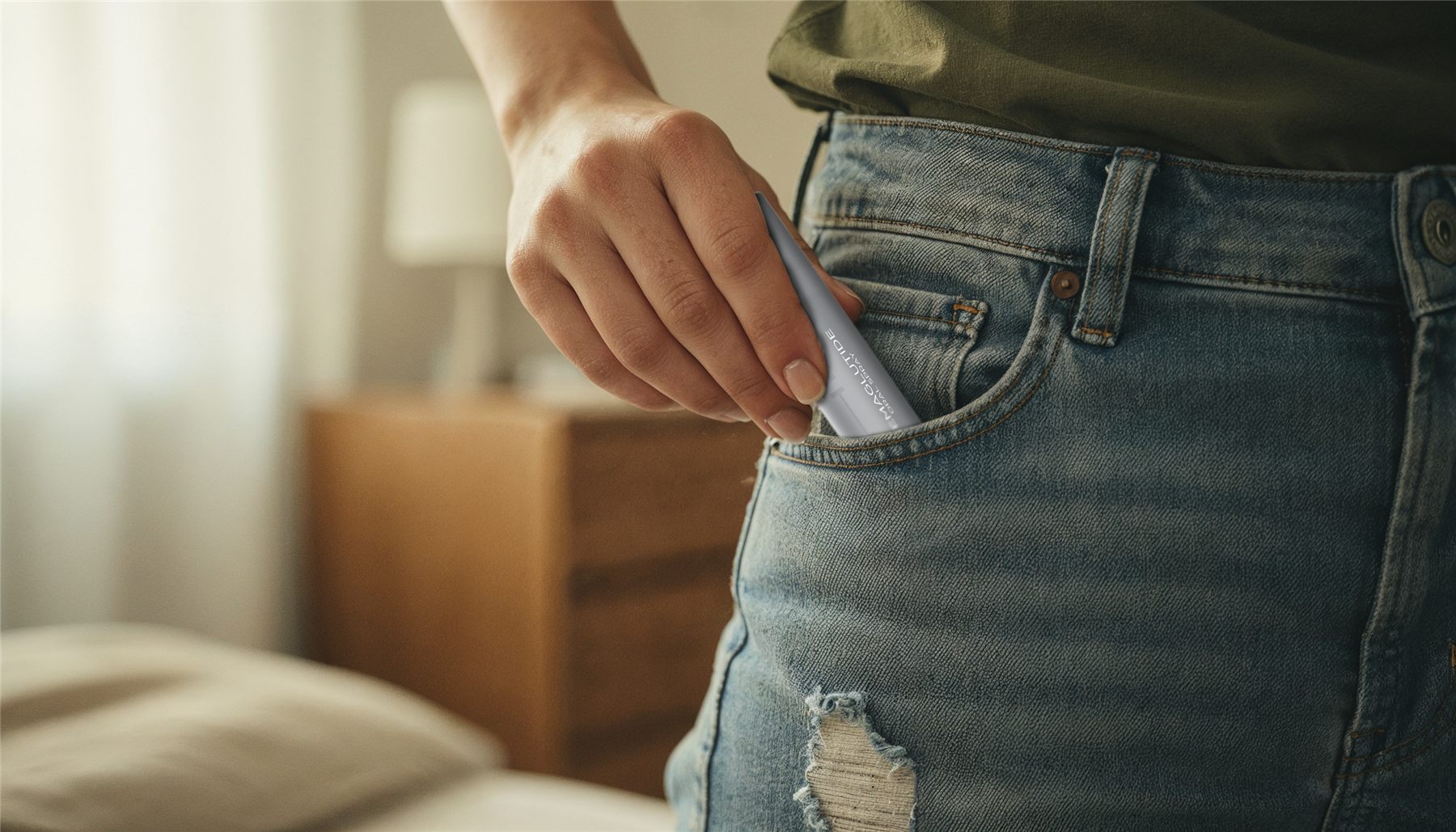
- Understand your options. Prescription-only, needle-free options such as THIN™ — a compounded semaglutide sublingual spray — exist for the maintenance phase and are dispensed only if a licensed provider determines they are appropriate. THIN™ is not FDA-approved.
- Aim for a routine you'll sustain. The maintenance plan that works is the one that fits your real life over the long term.
Curious whether a maintenance conversation makes sense for you? A short eligibility check is a free, no-pressure first step.
Important safety information
- • This article is educational only and is not medical advice. Always consult a licensed healthcare provider about starting, stopping, or changing any medication.
- • THIN™, THIN-R™, and THIN-ST™ are prescription-only compounded medications, prepared by licensed 503A pharmacies. They are not FDA-approved, and are dispensed only if a licensed provider determines they are medically appropriate.
- • Payment does not guarantee a prescription. Individual results vary.